Introducing Pangram 3.0 with AI assistance detection
Pangram 3.0 goes beyond binary AI detection: it measures AI assistance, distinguishing fully AI-generated, AI-edited, and human writing.
As AI adoption increases, more and more people are co-authoring text with AI. Similarly, many users of AI detectors want to know to what degree AI was involved in producing the text. Did somebody use AI to smooth their own words, or did they ask AI to generate a full essay from scratch?
Introducing Pangram 3.0
Pangram 3.0 is our latest detection model. It can classify text into the following categories:
- Fully human-written
- Lightly AI-assisted
- Moderately AI-assisted
- Fully AI-generated
Similar to Pangram 2.0, the detection algorithm will break longer documents into segments and classify each one within the context of the longer document. That means that if the first half of a document is human-written and the second half is AI-assisted, Pangram will be able to tell you that. Check out our video walkthrough:
What are the new classifications?
Fully human-written
Fully human-written text is text that was written without any significant AI assistance. While Pangram cannot infer where an idea came from, it will pick up on stylistic signals that AI uses in its word choice. The best way to write text that is flagged as fully human-written is to not use AI in the writing process.
Light AI assistance
Light AI assistance typically indicates surface-level changes that do not affect the underlying ideas, structure, or content of the text. Light assistance includes spelling and grammar fixes, updated phrasing, translation, and readability changes.
Moderate AI assistance
Moderate AI assistance typically indicates changes where AI may have rewritten significant portions of the text or added content of its own. Moderate assistance includes changes such as adding additional details or clarifications, making tone adjustments, restructuring text, or rewriting the text in a different style or tone.
Fully AI-generated
Text that has been classified as fully AI-generated is typically straight from an AI model like ChatGPT. This category also includes text that is primarily AI-generated, or text that was initially generated by AI.
How does it work?
In short, we train our model on a wide variety of co-authored text by prompting AI models to make edits of various degrees to text that was originally human-written. For a technical deep dive, feel free to dig into our technical blog post describing the science behind the model.
How accurate is it?
You can still expect the same accuracy as always from Pangram: 99.98% accuracy in detecting AI-generated text with near zero false-positive rates for the AI-generated label.
| Human-written essays classified as | Rate |
|---|---|
| Fully human-written | 99.84% |
| Lightly AI-assisted | 0.14% (1 in 700) |
| Moderately AI-assisted | 0.013% (1 in 7,500) |
| Fully AI-generated | 0.0064% (1 in 15,000) |
How do I use Pangram's AI assistance detection?
If you're a Pangram subscriber, AI assistance detection is on by default. Free users can try out Pangram's AI assistance for a limited time by subscribing to a 7-day free trial, which will unlock all of Pangram's paid features, including increased usage limits, AI assistance detection, and plagiarism detection.
What do free users see?
Free users will also see Pangram 3.0 results, but AI assistance detection will be off by default. What this means today is that free users will see lightly AI-assisted text as Human, and moderately AI-assisted text as AI-generated.
Co-authorship is a spectrum
While fully human-generated and fully AI-generated text are concrete categories with clear definitions, a large amount of text produced today doesn't fall into either category. What is the exact threshold between "light" and "medium" AI assistance? How much input can a human give an LLM in a prompt before the human's influence on the output is greater than the AI?
Ultimately, we attempt to answer these questions by matching Pangram's outputs as closely as possible to our own interpretations of each category, but we understand that co-authorship is a spectrum, and we aim to reflect that.
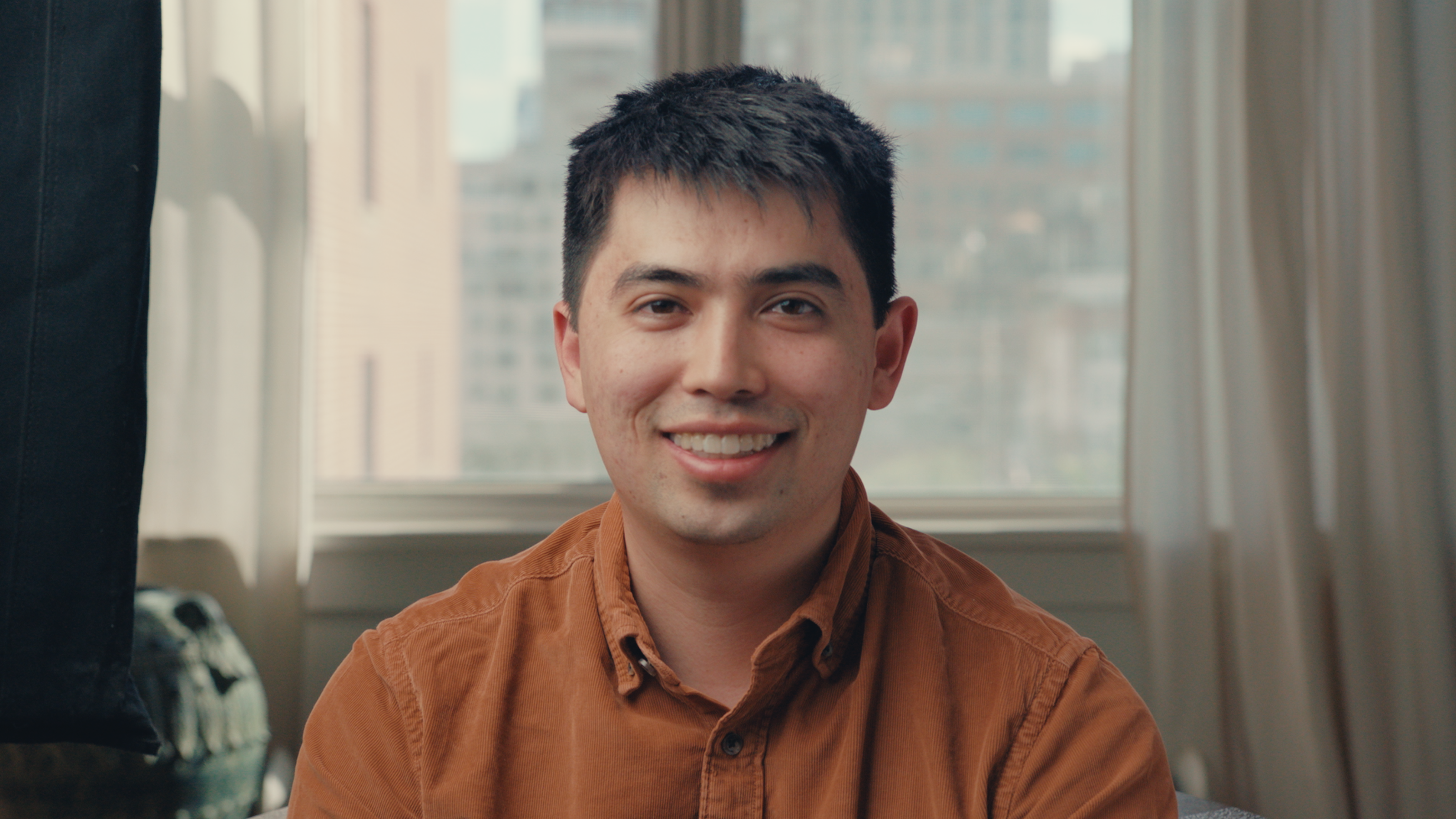
Max is a seasoned machine learning engineer. He most recently worked on autonomous vehicles at Nuro, leading their active learning effort. He has a long history of deploying successful machine learning products at Google, Two Sigma, and Yelp.
Max holds a B.S. in theoretical computer science and an M.S. in artificial intelligence from Stanford University. In addition to his passion for building, he is also an active member of the Magic: the Gathering cube community.
Related reading

Scaling up with LoRA
Meet Pangram 3.3!
Does Pangram Work on Claude Fable 5?
New Pangram Product Tiers
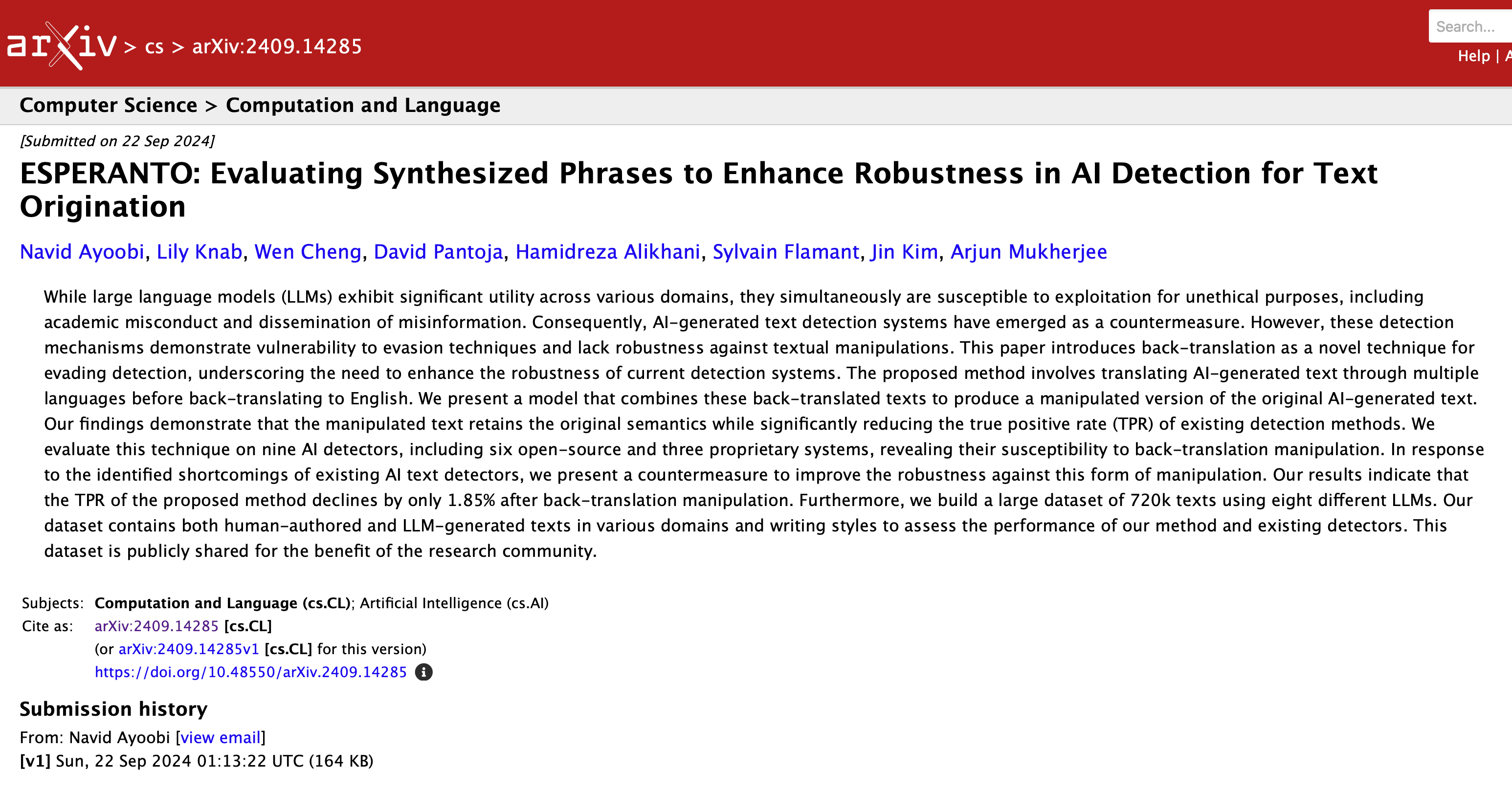
Third-Party Research Study Shows Pangram is the Most Robust AI Detector
Pangram 4 Migration Guide