AI detection as a teaching tool
AI detector for universities
Uphold academic standards with the most accurate AI detection for higher education. See AI use transparently, screen research submissions, and protect institutional reputation with 99.98% accuracy. We never train on your data.


& Researchers






Academic integrity
Secure your campus against
academic dishonesty
Protect Research Integrity
Prevent AI-generated "slop" from infiltrating peer reviews and grant applications. Our models identify AI even in complex, technical academic writing.
Fairness for International Students
Avoid bias against non-native speakers. Pangram is proven to detect AI based on linguistic patterns, not just perplexity, protecting ESL students from false accusations.
Enterprise-Grade Privacy
Fully FERPA and SOC 2 Type 2 compliant. We never train our models on your student papers or proprietary research data.
Integrations
Native integrations
for your LMS

01
LMS Integration
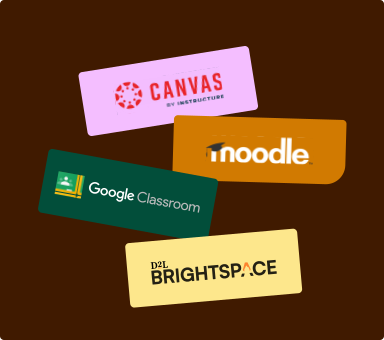
Our AI detector works with the most popular LMS systems making it easy to use across multiple platforms like Canvas, Moodle, Google Classroom, Brightspace, and more.
Learn More →
03
API
Solution
Our API is perfect for high-volume projects with different pricing options to suit your needs. We have custom API solutions for educators, developers, and enterprise.
Learn More →
02
Google Docs &
Chrome Extension
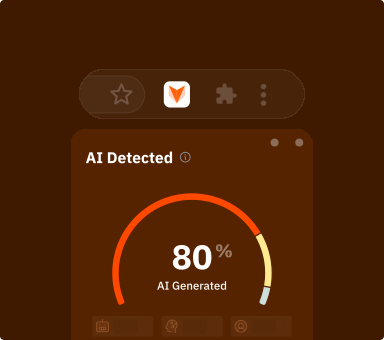
Our Chrome extension is a quick and convenient way to use our AI detection tool while browsing the web or within web-based applications such as Google Docs.
Download Now →
Features
Why should universities
use Pangram?


Years of research
Uses proprietary technology with years of research and development behind it, not an open source model or commercial LLMs covered with branding.

Trained on diverse data sets
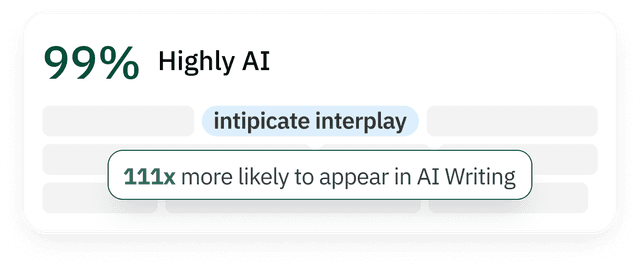
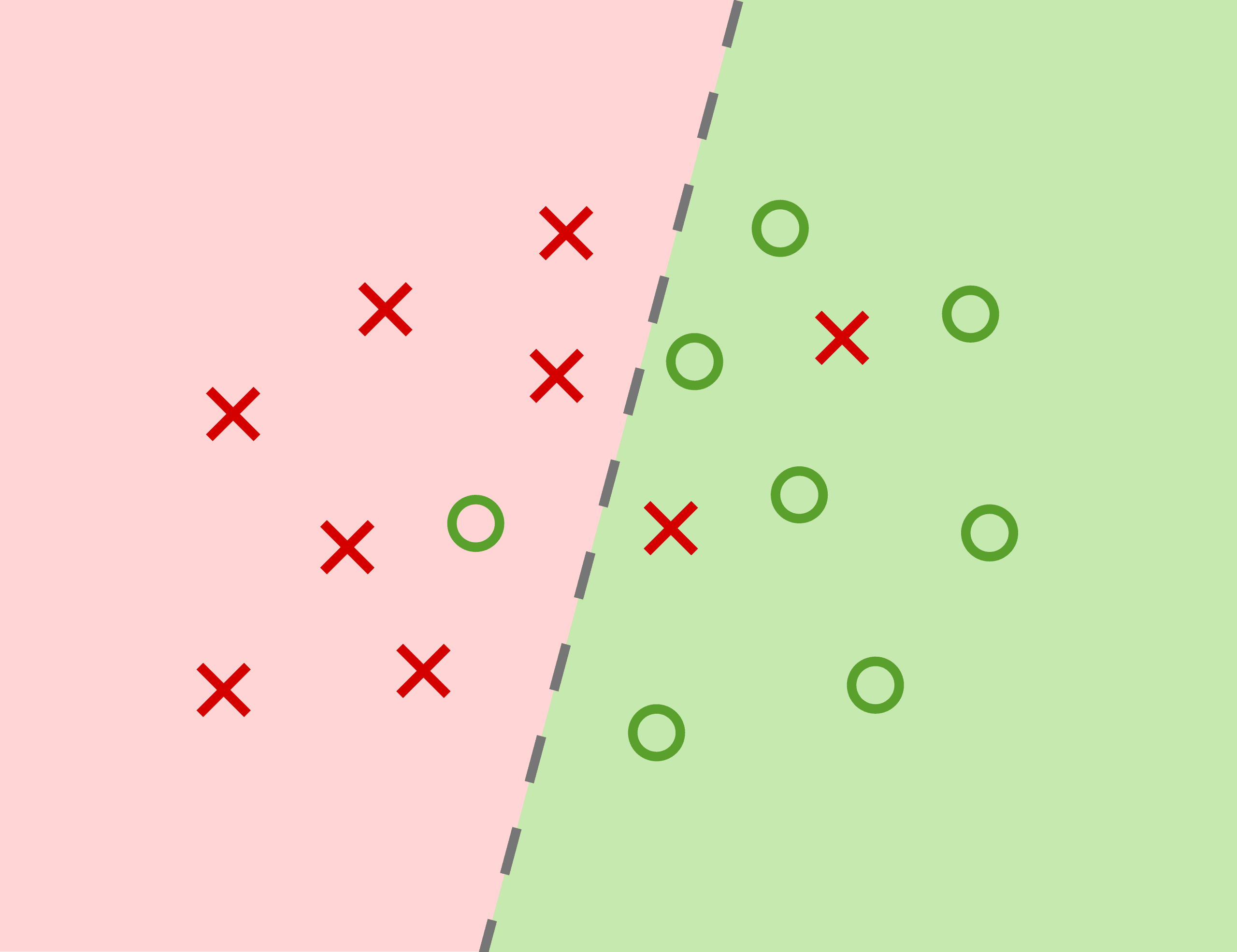
Pangram relies on diverse datasets, hard negative mining, and active learning to achieve industry-leading FPRs rather than perplexity and burstiness, which often fail in practice.

Detects all LLMs
Pangram can detect content from all major language models including ChatGPT, Claude, Gemini, Llama and more, making it a comprehensive solution for AI detection.
Supports 20+ languages
Our AI detection works across more than 20 languages, making it a truly global, multilingual solution for institutions and businesses worldwide.
Out-performed trained humans
Independent studies have shown that Pangram's AI detection outperforms trained human readers in identifying AI-generated content.

Detects humanized text
Pangram can detect AI-generated text even after it has been "humanized," or processed by tools that attempt to evade AI detection, ensuring reliable detection.

Verified accuracy
Our accuracy and reliability have been independently verified by third-party researchers and educational institutions.
Screen personal statements to ensure applicants are admitted on their own merit. Detect AI-generated application essays and personal statements before they influence admissions decisions.
Check essays and coding assignments with syntax-aware detection. Pangram's granular analysis distinguishes between fully AI-generated work and AI-assisted writing, enabling fair and nuanced assessment.
Verify the authenticity of peer reviews and funding applications. Ensure research integrity across your institution by detecting AI-generated content in grant proposals, literature reviews, and academic publications.
FAQs
AI Detection FAQs
Looking for answers? Explore common questions
and get the information you need, all in one place.
Explore more
AI detection for
every organization
For Teachers
AI detection for teachers and educators. Verify student authorship with 99.98% accuracy and catch AI-generated essays, paraphrased content, and humanizer tools.
Learn more →For Law Firms
AI detection for law firms and legal professionals. Flag AI-drafted briefs, contracts, and filings, and confirm authentic authorship before anything leaves the firm.
Learn more →For Developers
AI code detection for developers and engineering teams. Detect AI-generated code from ChatGPT, Copilot, and Claude in Python, Java, C++, and more.
Learn more →






Uphold academic standards. Start today.
Protect research integrity, ensure fairness for all students, and deploy AI detection campus-wide.