Détection par IA pour les professionnels du droit
Détection par IA pour les cabinets d'avocats
Protégez la réputation de votre cabinet et limitez votre responsabilité. L'outil le plus précis pour l'analyse des documents juridiques par IA : détectez les textes rédigés par ChatGPT et d'autres IA, et vérifiez l'authenticité de l'auteur dans chaque dossier.


au sein des grandes entreprises





Notre produit
L'IA générative est là. Les risques aussi.
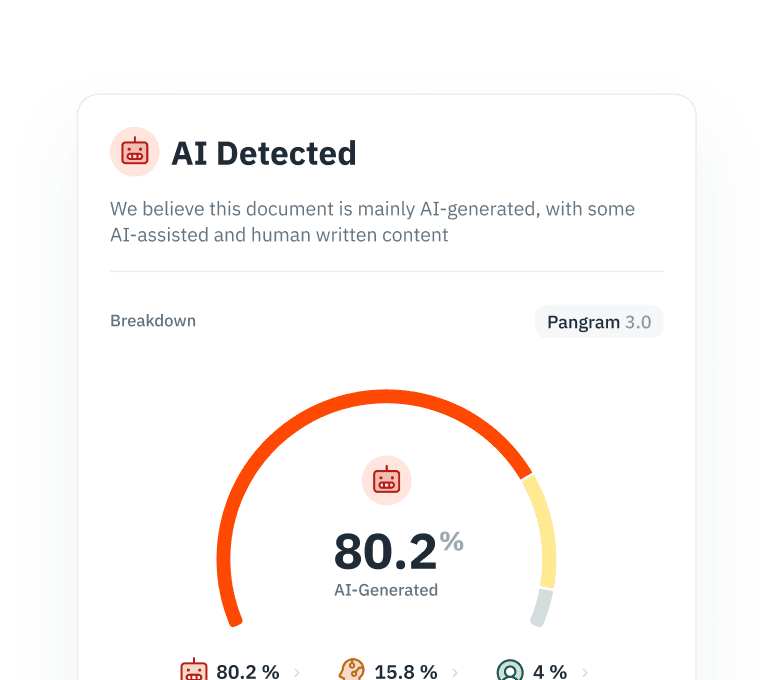
Signaler les mémoires rédigés par l'IA
Identifier les mémoires, notes de service et pièces de procédure rédigés par une IA générative afin qu’ils fassent l’objet d’un examen approfondi de la part des avocats avant d’être présentés au tribunal.
Garantir la confidentialité des clients
Nous sommes certifiés SOC 2 Type 2 et conformes au RGPD. Contrairement aux outils gratuits, nous n'utilisons jamais vos contrats juridiques sensibles ni vos données de recherche pour entraîner nos modèles.
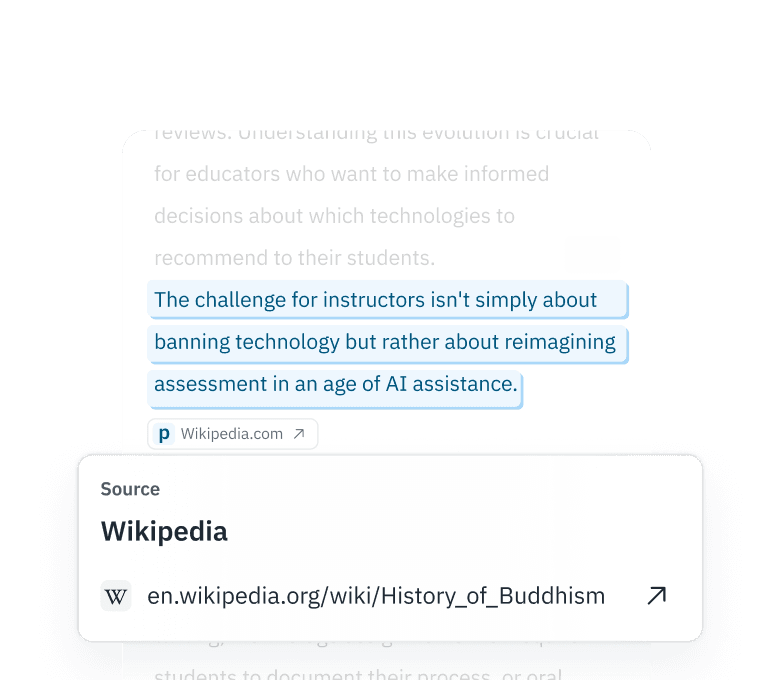
Une diligence raisonnable justifiable
Mettez en place une piste d'audit. Le recours à un outil de vérification juridique basé sur l'IA certifié témoigne de votre professionnalisme et de votre diligence raisonnable à l'ère de l'IA.
Processus juridiques
s sur l'IA pour les processus juridiques
De la rédaction des contrats à la communication préalable, Pangram propose un outil de détection basé sur l'IA qui couvre toutes les étapes du cycle de vie des documents juridiques.


Vérification des contrats et de la propriété intellectuelle
Assurez-vous que les clauses rédigées sont originales. Vérifiez les contrats juridiques générés par l'IA afin de protéger la propriété intellectuelle et d'éviter les clauses types génériques et inapplicables issues des modèles de langage (LLM).

Recherche et validation des notes
Les assistants juridiques et les collaborateurs ont quotidiennement recours à l'IA pour la rédaction de résumés de recherches juridiques. Vérifiez leurs résultats afin de distinguer l'analyse humaine de la synthèse automatique.

Examen de documents en masse
Analysez instantanément des milliers de fichiers. Utilisez notre API pour effectuer une analyse de documents juridiques par IA sur des salles de données et des ensembles de données de recherche afin d'identifier le contenu synthétique.

Prend en charge plus de 20 langues
Notre système de détection par IA fonctionne dans plus de 20 langues, ce qui en fait une solution véritablement mondiale et multilingue destinée aux institutions et aux entreprises du monde entier.

A surpassé les performances des humains formés
Des études indépendantes ont démontré que le système de détection de l'IA de Pangram surpasse les lecteurs humains formés à l'identification des contenus générés par l'IA.
Détecte le texte rédigé dans un style naturel
Pangram est capable de détecter les textes générés par l'IA même après qu'ils ont été « humanisés », c'est-à-dire traités par des outils visant à contourner les systèmes de détection de l'IA, garantissant ainsi une détection fiable.
Précision vérifiée
Notre exactitude et notre fiabilité ont été vérifiées de manière indépendante par des chercheurs et des établissements d'enseignement tiers.

Éviter les faux positifs
Le langage juridique est formel et répétitif, des caractéristiques qui induisent en erreur les détecteurs classiques. Pangram utilise la technique du « Hard Negative Mining » pour s'assurer que les textes juridiques rédigés par des humains ne soient pas signalés à tort comme provenant d'une IA.

Rapports détaillés
Ne rejetez pas le document dans son intégralité. Notre système de notation « Contenu mixte » met clairement en évidence les passages générés par l'IA et ceux révisés par des humains, ce qui permet une analyse nuancée.
Caractéristiques
Intégrez la détection dans
la pile technologique de votre entreprise

01
Examen de documents en masse
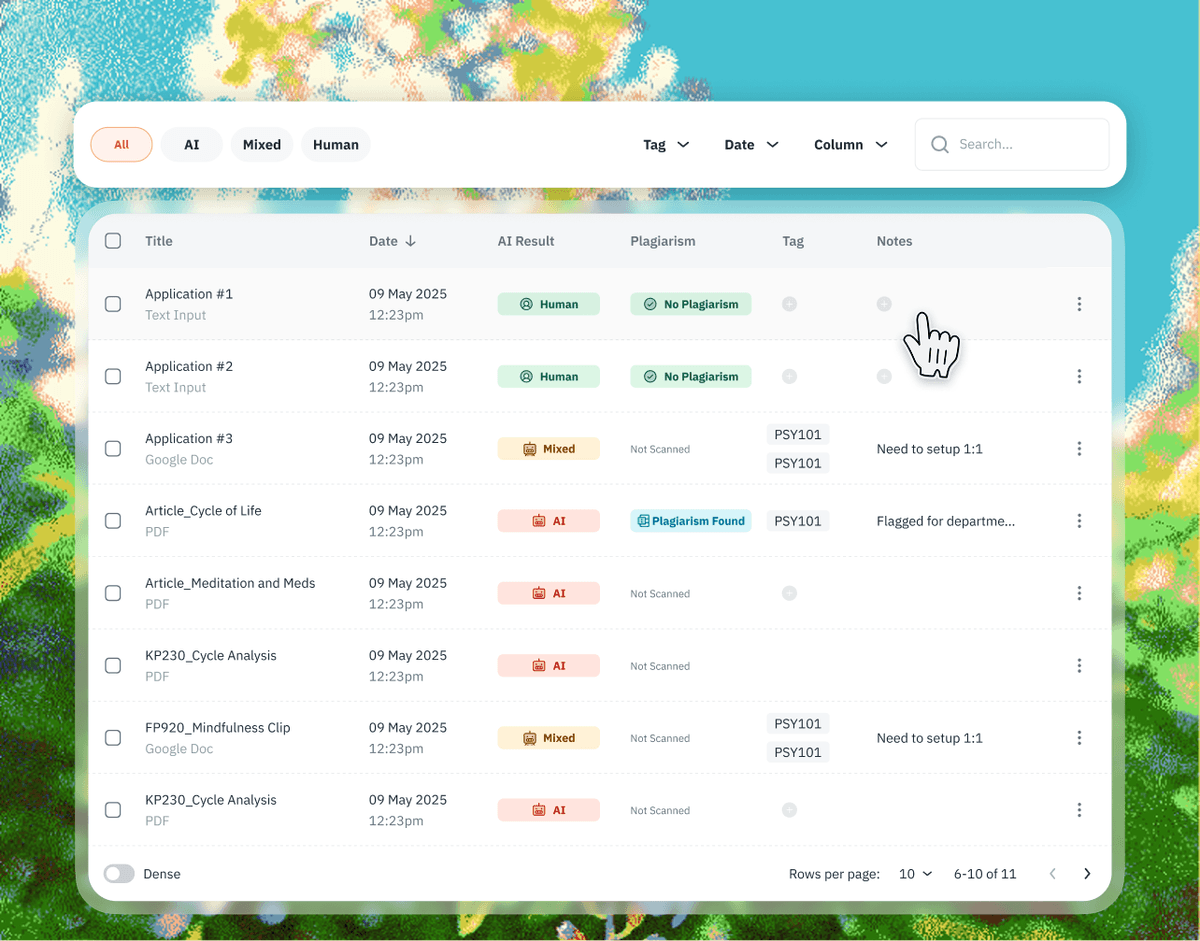
Numérisez des milliers de documents à grande échelle. Intégrez la détection par IA à votre système de gestion documentaire pour permettre l'examen automatisé des contrats, des mémoires et des pièces de procédure.
Accéder à la version Entreprise →
03
Solution API «
»
Notre API est idéale pour l'examen de volumes importants de documents juridiques et propose des options tarifaires sur mesure pour les cabinets d'avocats et les entreprises.
Consulter la documentation de l'API →
02
Extension Chrome « Google Docs &
»
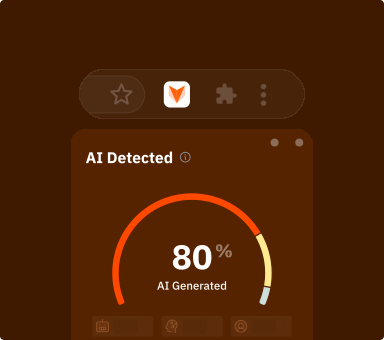
Consultez vos documents juridiques dans Google Docs, par e-mail ou sur n'importe quelle plateforme en ligne sans quitter votre navigateur. Un simple clic suffit pour les numériser.
Télécharger maintenant →
Foire aux questions
FAQ sur la détection par IA
Vous cherchez des réponses ? Consultez la rubrique « Questions fréquentes » sur
et trouvez toutes les informations dont vous avez besoin en un seul endroit.
En savoir plus
Détection par IA pour
toutes les entreprises
Pour les développeurs
Détection de code généré par l'IA pour les développeurs et les équipes d'ingénieurs. Détectez le code généré par l'IA à partir de ChatGPT, Copilot et Claude en Python, Java, C++ et bien d'autres langages.
En savoir plus →Pour l'édition et les médias
Détection par IA pour les éditeurs et les équipes rédactionnelles. Préservez l'intégrité rédactionnelle et vérifiez l'authenticité des contenus à grande échelle, avec le taux de faux positifs le plus bas possible.
En savoir plus →Pour les universités
Détection de l'IA pour les universités et l'enseignement supérieur. Vérifiez les devoirs des étudiants, examinez les travaux de recherche et protégez la réputation de votre établissement.
En savoir plus →Protégez votre entreprise. Commencez dès aujourd'hui à détecter les menaces liées à l'IA.
Limiter la responsabilité, garantir la confidentialité des clients et respecter les normes les plus strictes en matière de diligence professionnelle.